Compassionate and Efficient Management of Wrongful Death Cases
Wrongful death cases are emotionally difficult and legally complex. Quilia helps your firm handle these sensitive cases with compassion and efficiency.
Your clients get the support they need during their most difficult time.
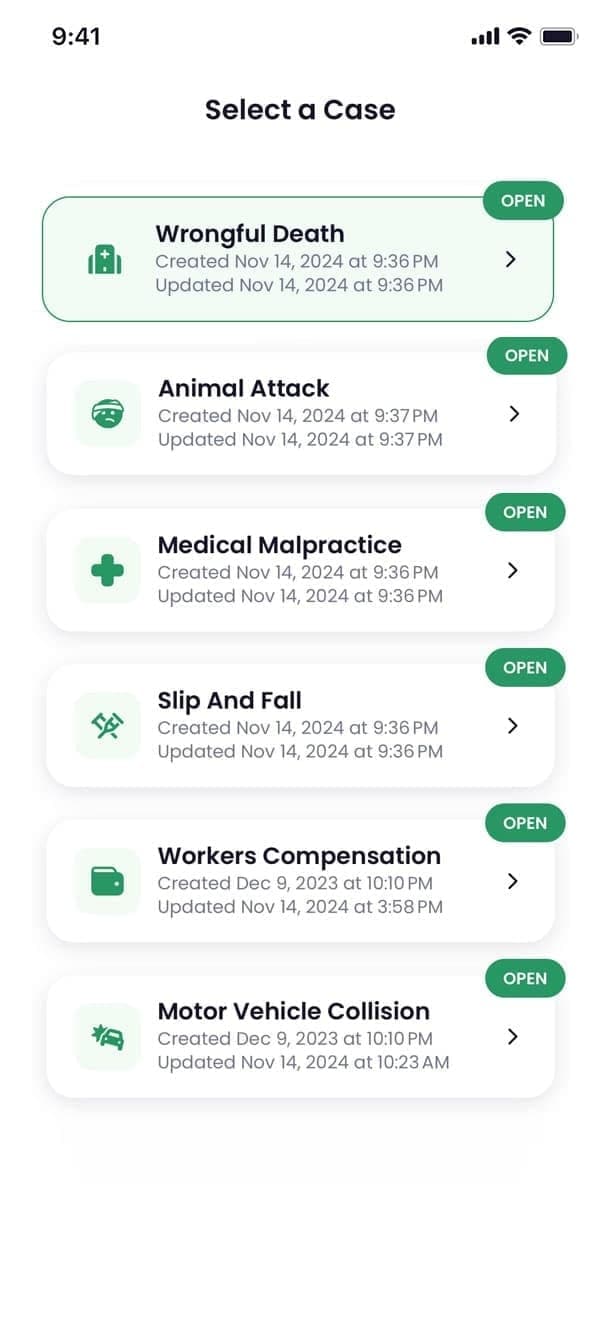
Compassionate Case Management
Wrongful death cases require sensitivity and careful handling. Quilia provides tools that help attorneys manage these difficult cases with compassion.
All legal requirements are met while providing support.
Supportive Client Communication
Communication is crucial in wrongful death cases. Quilia helps attorneys stay in touch with grieving families.
We provide updates and support throughout the legal process.
When the client has passed, the personal representative or a surviving family member runs the case. Case Delegates gives that person their own access, with every action attributed to them.
Comprehensive Documentation
Wrongful death cases involve extensive documentation. Quilia helps attorneys organize medical records, incident reports, and other important documents.
Everything is stored in one secure location.
Financial Recovery Tracking
Track damages and financial recovery throughout the case. Quilia helps attorneys document all losses and expenses.
This builds a strong case for compensation.
Compassionate Support
Quilia understands the emotional weight of wrongful death cases. Our platform helps attorneys provide compassionate support.
We help manage the legal complexities of these difficult cases.
Wrongful Death FAQs
Common questions about using Quilia for wrongful death cases
How does Quilia help law firms manage wrongful death cases?
Wrongful death cases combine grieving families with complex documentation. Quilia gives the family a single secure app to follow the case, upload records, and reach the firm without repeated phone calls during an already difficult time. The firm keeps medical records, the death certificate, financial loss documentation, and beneficiary communication organized in one place, so nothing slips while the case builds.
Who can file a wrongful death claim?
Eligibility varies by state, but a wrongful death claim is typically brought by the deceased person's spouse, children, or parents, or by the personal representative of the estate on behalf of the beneficiaries. Because more than one family member is often involved, Quilia lets a firm add co-clients and case delegates so every authorized family member can stay informed without the firm fielding the same update call repeatedly.
What damages are available in a wrongful death case?
Wrongful death damages generally cover medical and funeral expenses, lost financial support and benefits, loss of companionship and guidance, and the survivors' emotional suffering. Quilia helps the firm document and track every category of loss as it accumulates, building a clear, organized record that supports the demand and settlement negotiation.
How long does a wrongful death case take to resolve?
Timelines range from several months to a few years depending on liability disputes, the number of parties, and whether the case settles or goes to trial. Quilia keeps families informed about each phase automatically, which reduces the anxiety and the volume of status calls that long timelines normally create.
What is the difference between a wrongful death claim and a survival action?
A wrongful death claim compensates surviving family members for their own losses, while a survival action recovers damages the deceased person could have claimed had they lived, such as pre-death pain and medical bills. Many cases involve both. Quilia helps the firm keep documentation for each cause of action organized so nothing is missed at settlement.
Can multiple family members follow the same wrongful death case?
Yes. Quilia supports a primary client plus co-clients and case delegates, so a surviving spouse, adult children, or an estate representative can each have appropriate access to the case. The firm controls who can act and who can only view, which keeps a grieving family aligned without extra administrative work.